Mastering Digital Sales in Nepal: 2026 Content Strategies for Instagram, TikTok, and Local SEO
Is your brand still posting 'Good Morning' quotes on Facebook? Stop. Explore the 2026 playbook for dominating the Nepali digital market using Short-Form Video, Local SEO, and Cultural UGC.
Shrijal Paudel
@shrijalpaudel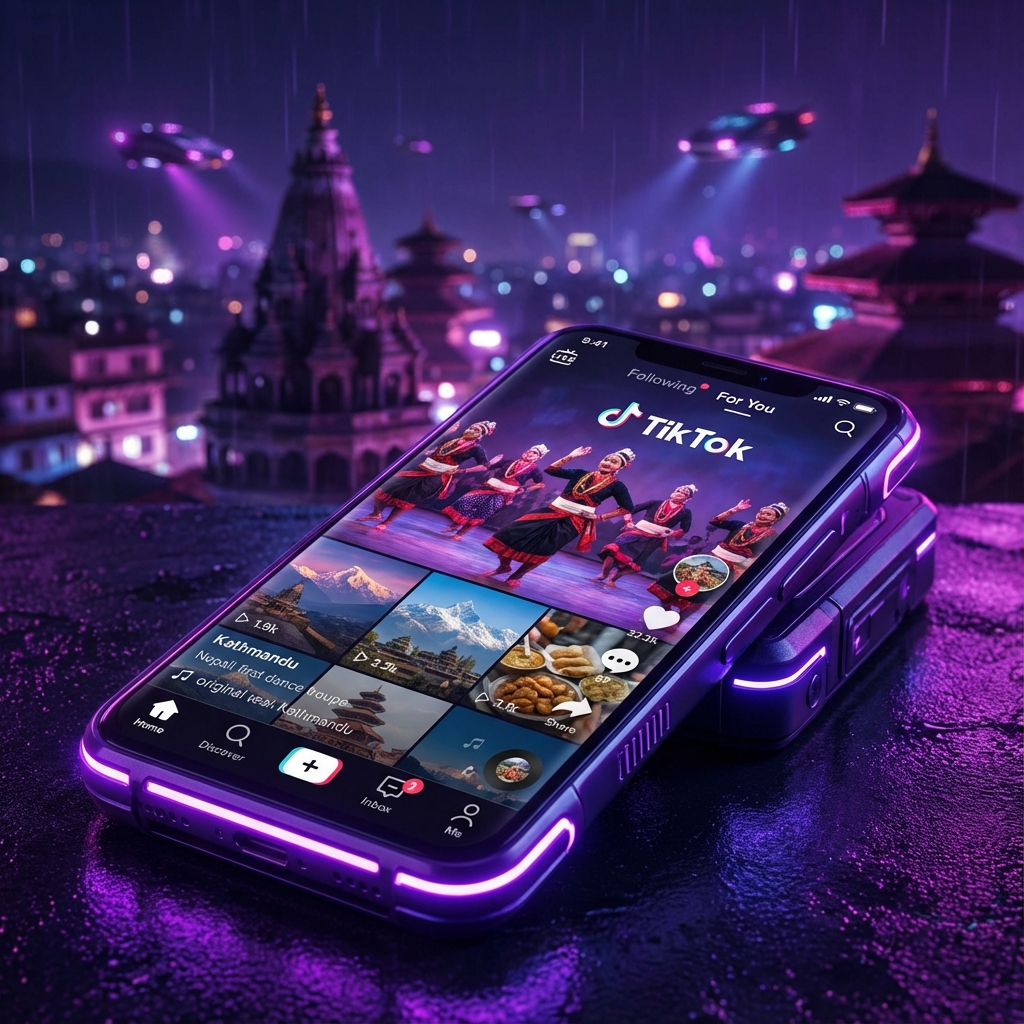
The Death of the "Good Morning" Post
Why your brand's social media strategy is failing, and the exact 3-step roadmap to dominate 2026.
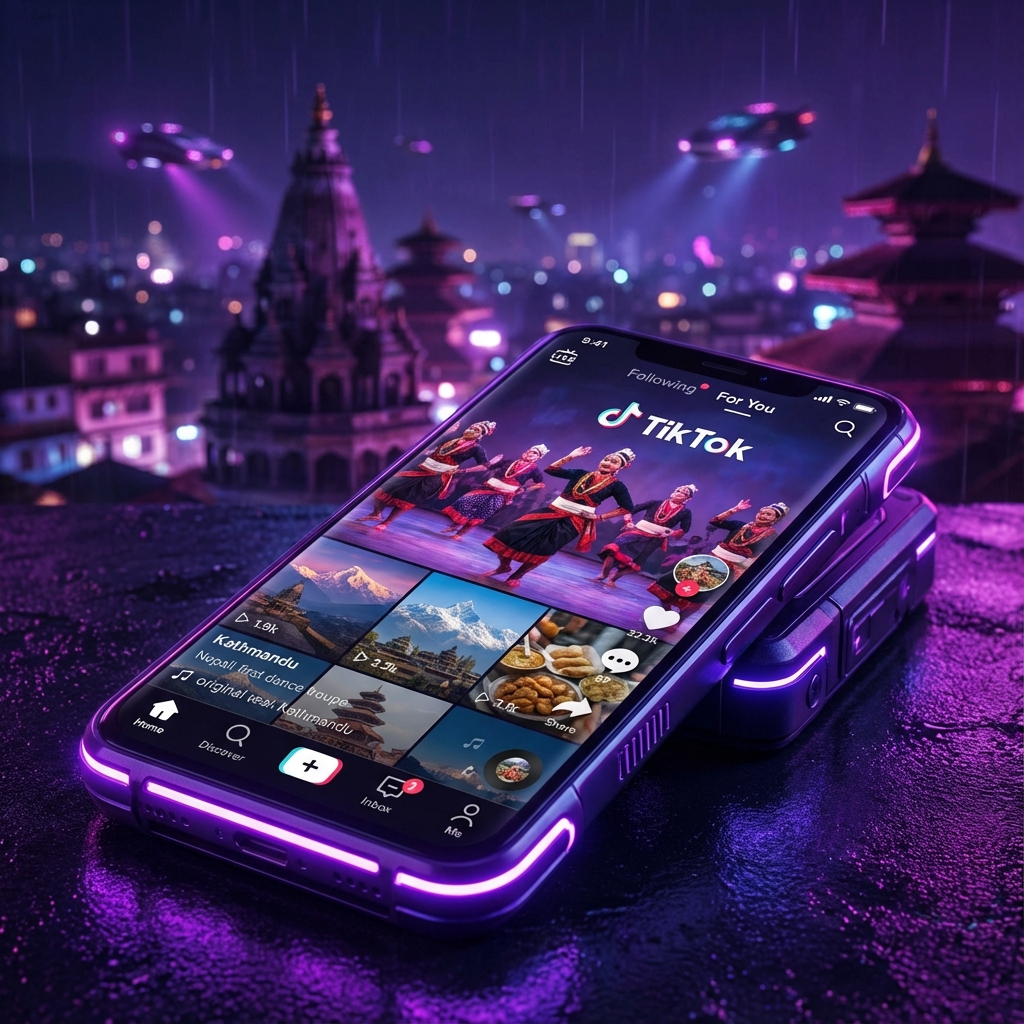
It is 9:00 AM in Kathmandu. A typical business owner—let's call him Rajesh—opens his Facebook page. He finds a stock photo of a sunrise, adds a generic quote like "Success is a journey, not a destination," and hits post. He feels productive. He feels he has "done digital marketing."
Rajesh is burning his money.
The Harsh Reality
"Nobody cares about your logo. Nobody cares about your festival greetings. In 2026, if your content does not educate, entertain, or solve a specific problem in the first 3 seconds, you do not exist."
The Nepali digital landscape has shifted tectonically. The days of simply "being online" are over. The audience is sophisticated. They have global taste but local hearts. To win their wallets, you need to stop acting like a corporation and start acting like a creator.
Here is the practical, no-nonsense guide to mastering digital sales in Nepal for 2026.
#1. The Short-Form Tsunami
If you are a restaurant, a clothing brand, or a travel agency, and you are not posting video content, you are invisible. Static images are for menus; videos are for appetite. This is especially true if you are targeting micro-niche marketplaces in Nepal where community trust is everything.
But not just any video. High-production TV commercials don't work on TikTok. Raw, authentic, human content works.
The "Process" Video
Don't just show the momo. Show the steam rising as you open the steamer. Show the chef folding the dough. Show the chaos in the kitchen.
The "Founder" Story
Pick up the phone. Point it at your face. Talk about why you started this business. Talk about the day you almost failed.
#2. Dominate "Near Me"
When a tourist in Thamel gets hungry, they don't open Instagram. They open Google Maps and type "Best Thakali near me." If you are not in the top 3 results (The Map Pack), you just gave that customer to your competitor. For those running a productized service agency in Nepal, local SEO is the difference between a cold lead and a closed deal.
Checklist The GMB (Google My Business) Holy Trinity
-
1
Reviews, Reviews, Reviews: Do not be shy. Ask every happy customer to leave a review. Reply to every single one (even the bad ones). Google's algorithm loves activity.
-
2
Photos Updates: Treat your Google Maps profile like Instagram. Upload photos of your menu, your vibe, and your happy customers weekly.
-
3
The N.A.P. Rule: Name, Address, Phone. Ensure these are exactly the same on Facebook, your Website, and Google. Even a small difference (e.g., using "St." vs "Street") confuses the algorithm.
#3. The Festival Viral Loop
Dashain and Tihar are not just holidays; they are the Super Bowl of Nepali spending. Everyone buys new clothes. Everyone eats out. Everyone gifts.
The biggest mistake brands make is running generic "Happy Dashain" ads. The winning strategy is User Generated Content (UGC).
Don't say your Kurta is beautiful. Let a customer say it.
🚀 The "Tihar Selfie" Campaign Idea
Instead of a 10% discount, offer a "Best Photo Contest." Ask customers to post a photo wearing your brand with a specific hashtag (e.g., #MyBrandTihar).
Conclusion: Be The Signal, Not The Noise
The internet in Nepal is noisy. Everyone is shouting. To be heard, you don't need to shout louder. You need to speak clearer.
Stop posting for the sake of posting. Start posting to serve. Help your customer choose the right shoes. Teach them how to brew better coffee. Show them the hidden spots of Pokhara.
When you become valuable, you become profitable.
Still posting Good Morning quotes?
Let's build a strategy that actually prints money in 2026.
Book a Strategy Strategy Session 📈Editorial Note
This article was written by Shrijal Paudel based on personal experience and research. The views expressed here are solely my own and do not represent those of my employer or associated organizations. Content on this site is for informational purposes only.